The Art of Layering: A Seasonal Styling Guide
Layering is the cornerstone of a versatile wardrobe — it's not just about staying warm, it's about creating dimension, playing with proportion, and expressing your personal style with intention. When done right, layering transforms simple pieces into sophisticated outfits that work across temperatures and occasions. Mastering this skill means you'll never feel limited by your closet, and you'll always look effortlessly put together, no matter what the day throws at you.
1. Start with the Right Base Layer
Your base layer is the foundation of every great layered look, and getting this right sets the tone for everything that follows. Choose slim-fitting pieces in breathable fabrics like cotton, merino wool, or modal blends — these sit close to the body without adding bulk and create a smooth silhouette under your other layers. A classic crew-neck tee or a fine-knit long-sleeve top works beautifully under almost anything, while a fitted turtleneck adds sophistication when you want a more refined base. Avoid base layers that are too thick or textured; they'll create unwanted volume and make your outer layers fit awkwardly. The key is to think of your base as nearly invisible — it should enhance comfort and provide a clean canvas, not compete for attention.
Style Tip: Stick to neutral tones like black, white, navy, or grey for your base layers — they'll disappear under your other pieces and give you maximum versatility across your wardrobe.
2. Add a Mid-Layer That Does the Heavy Lifting
The mid-layer is where layering gets interesting — this is the piece that adds warmth, texture, and personality to your outfit. Think lightweight knitted sweaters, cashmere cardigans, denim jackets, or tailored vests. This layer should be substantial enough to make a statement but not so bulky that it restricts movement or creates unflattering proportions. A merino crewneck sweater over a collared shirt instantly elevates casual into smart-casual, while a shawl-collar cardigan adds relaxed sophistication when worn over a simple tee. Pay attention to fit here: your mid-layer should skim the body with enough room to move comfortably, and sleeves should hit at the wrist bone, not bunch up or swallow your hands. This is also the layer where you can introduce color or pattern — a burgundy knit or a subtle Fair Isle design can anchor your entire look without overwhelming it.
Style Tip: When layering a cardigan or overshirt, leave it unbuttoned or wear it open to create vertical lines that elongate your frame and keep the look relaxed rather than stiff.
3. Choose an Outer Layer with Purpose
Your outer layer is the exclamation point of a layered outfit — it's the first thing people see and the piece that defines the overall vibe. Wool coats, trench coats, leather jackets, and tailored blazers each bring a different energy, so choose based on where you're going and what you want to project. A structured wool overcoat communicates polished confidence, perfect for professional settings or evening occasions, while a supple leather jacket leans into modern edge and works beautifully for casual outings. The most common mistake here is choosing an outer layer that's too tight — you need enough room to comfortably fit your base and mid-layers underneath without straining buttons or pulling fabric. Look for pieces with a slightly relaxed fit through the shoulders and chest, and make sure the armholes allow for natural movement. Quality matters immensely at this layer; investing in a well-constructed coat or jacket pays dividends in both longevity and how you feel when you wear it.
Style Tip: Roll or cuff the sleeves of your outer layer slightly to reveal the layers underneath — it adds visual interest and creates a more intentional, styled look.
4. Play with Textures and Proportions
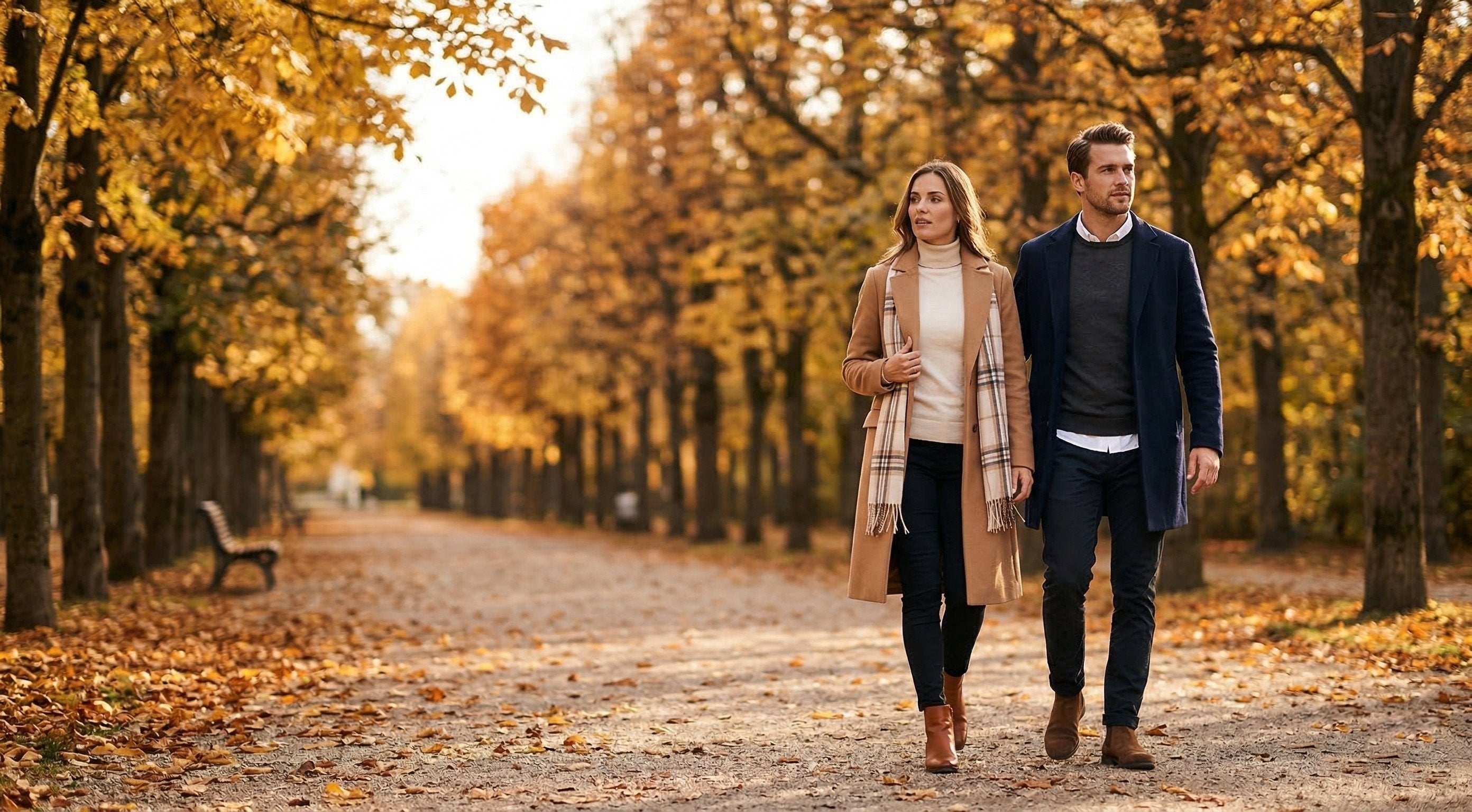
Once you've mastered the basics, elevating your layering game is all about mixing textures and balancing proportions thoughtfully. Pair smooth fabrics like silk or cotton with chunky knits, or combine the softness of cashmere with the structure of denim or leather. This contrast creates depth and keeps outfits from looking flat or one-dimensional. When it comes to proportions, balance is key: if you're wearing a bulkier mid-layer like a thick cable-knit sweater, opt for a sleeker outer layer like a tailored blazer to keep things refined. Conversely, if your base and mid-layers are slim and minimal, you can go bolder with an oversized coat or parka. Don't forget accessories — scarves, pocket squares, and even the right pair of boots can add another textural element that ties the whole look together. The goal is to create visual interest without overwhelming the eye, so choose two or three textures per outfit and let them complement rather than compete.
Style Tip: Add a lightweight scarf in a complementary color or texture as a finishing touch — it frames your face, adds warmth, and instantly makes any layered outfit look more considered.
5. Transition Your Layers Across Seasons
The true power of layering is its adaptability — the same core pieces can work year-round when you learn to adjust strategically. In warmer months, build lighter combinations with breathable fabrics like linen shirts under unstructured cotton blazers, or layer a fine-knit tee under a chambray overshirt. As temperatures drop, swap in heavier materials like wool, flannel, and cashmere, and add extra layers like vests or quilted jackets between your mid and outer layers. The key to seamless seasonal transitions is investing in versatile pieces that work in multiple contexts — a lightweight merino sweater layers beautifully under a trench coat in spring, then stands on its own in summer evenings, and works under a wool overcoat come winter. Pay attention to color palettes too: lighter neutrals and pastels feel right in spring and summer, while richer tones like charcoal, olive, and burgundy anchor fall and winter looks. Layering isn't just a winter strategy; it's a year-round approach to building a wardrobe that works harder and smarter.
Style Tip: Keep a lightweight, unlined jacket or blazer in your rotation for transitional weather — it adds polish and warmth without the commitment of heavy outerwear, and you can easily remove it as the day heats up.
Layer With Confidence
Mastering the art of layering is about more than just staying comfortable — it's about expressing your style with intention and building outfits that feel as good as they look. Start with these fundamentals, experiment with combinations that feel right for your lifestyle, and trust your instincts. The best-dressed people aren't following rigid rules; they're layering with confidence, purpose, and a clear sense of who they are. Now it's your turn.